Anti-Aging Isn’t Just About Skin—Bone Health Matters Too
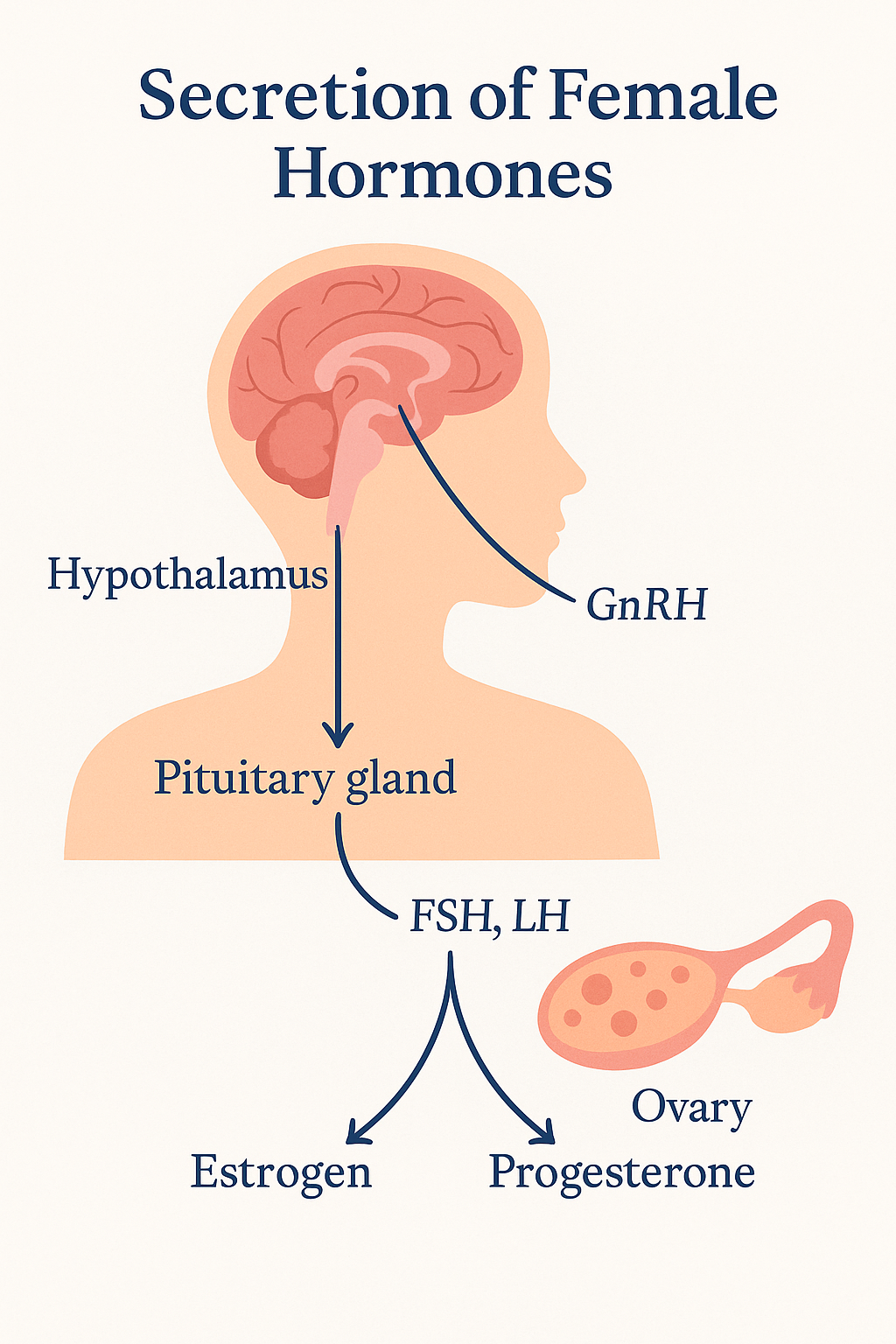
Many women focus on keeping their skin glowing and wrinkle-free, but bone health is just as important for overall beauty. After the age of 40, estrogen levels gradually start to decline.
Estrogen helps maintain the skin’s moisture, elasticity, and radiance. When levels drop, skin can become drier, less firm, and more prone to wrinkles or sagging.
At the same time, estrogen regulates bone turnover. When estrogen decreases, bone density can drop, making bones more fragile. Lower bone strength also increases the risk of fractures, so taking care of bones is just as important as taking care of the skin!
Why Soy Isoflavones Support Women’s Bones
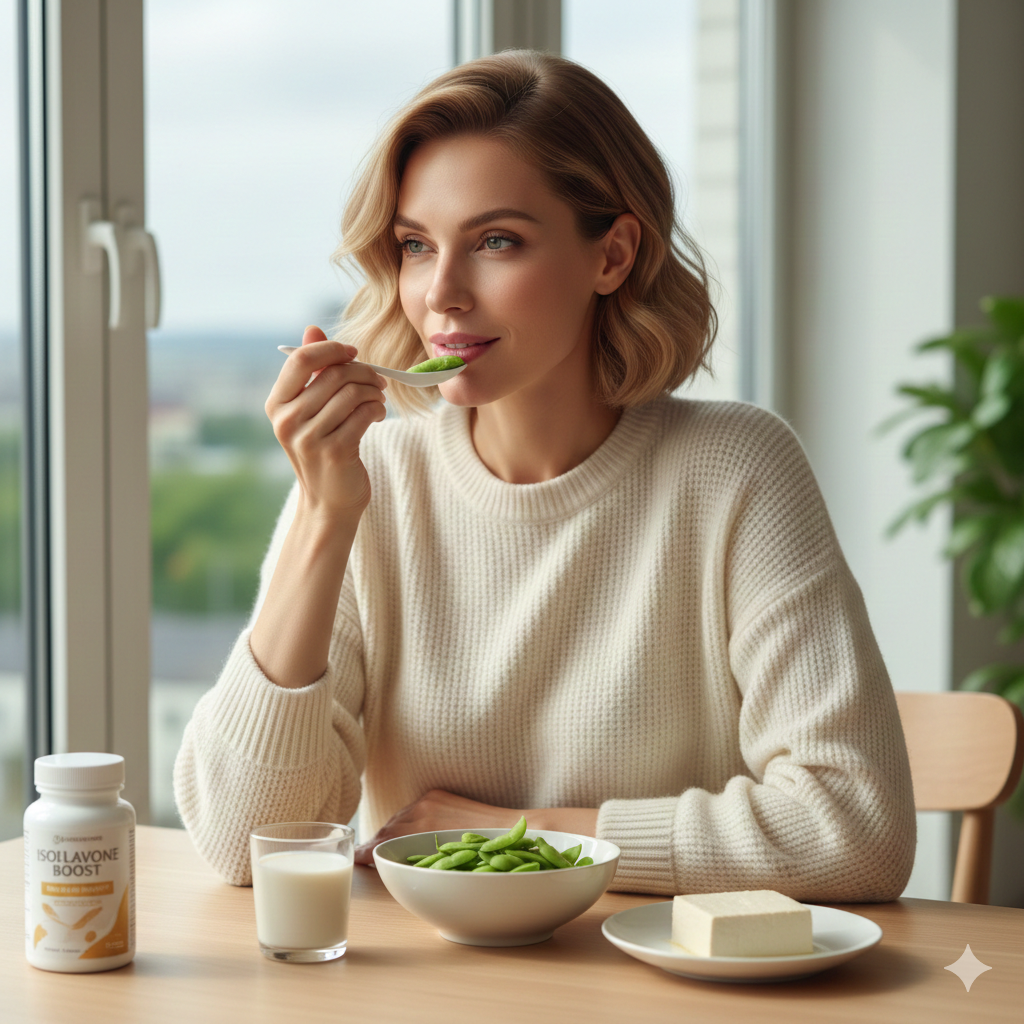
Soy isoflavones are plant compounds with a structure similar to estrogen—but they are not the same as human estrogen.
They can still help protect bones by slowing down bone breakdown and promoting new bone formation, making them a valuable support for postmenopausal women.
Including soy isoflavones in your diet may help prevent bone loss and reduce the risk of fractures later in life. Personally, having passed the halfway point in life, I’m more interested in real health than surface-level beauty.
Supporting Hormone Balance Naturally
Isoflavones are also thought to act as gentle regulators:
- When estrogen is low, they can provide mild support
- When estrogen levels are sufficient, they don’t overstimulate the body
They are not a replacement for hormone therapy. However, regular daily intake can help naturally balance hormones and support both skin and bone health.
Be Careful Not to Overdo It
Soy isoflavones are generally safe when consumed in normal amounts through food. However, there isn’t enough data on the long-term safety of taking highly concentrated supplements in large amounts.
For this reason, it’s best to start with regular foods like tofu, natto, and soy milk, and not rely too heavily on supplements.
Easy Ways to Include Soy in Your Diet
- Natto: Enjoy on its own for breakfast, or mix with egg and green onions
- Tofu: Try cold (hiyayakko), in miso soup, or stir-fries
- Soy Milk: Use in smoothies, soups, or as a base for hot pot during colder months
- Okara: Add to hamburgers, stir-fries, or baked goods for extra nutrition
- Ganmodoki (fried tofu patties): Great in stews or salads
One of my favorite simple recipes is a tofu-and-chicken tsukune burger: mix firm tofu, ground chicken, potato starch, and a little dried hijiki (or chopped wood ear mushrooms). I always adjust the amounts by feel, but tofu, chicken, and potato starch are musts.
Even small daily amounts can naturally support your bones and hormonal balance. Focusing on whole foods rather than relying on supplements is the safest approach.
Additional Tips for Bone Beauty
While soy isoflavones play an important role, they are not the only nutrients that support bone health.
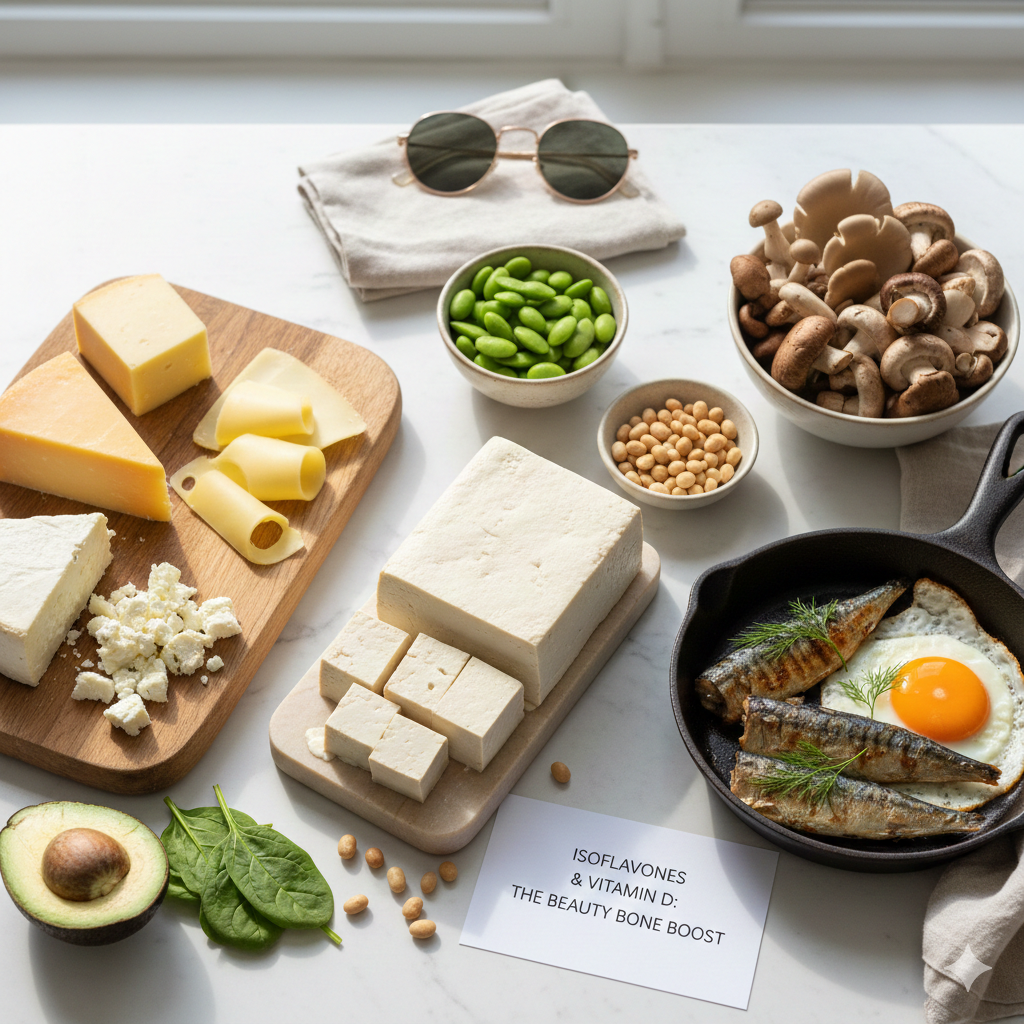
- Calcium: Essential for strong bones. Dairy products like cheese, as well as small fish with bones, are good sources.
- Vitamin D: It helps your body absorb calcium efficiently. Surprisingly, many people worldwide are deficient without even realizing it. To fix this, I recommend eating foods rich in vitamin D, like mackerel, mushrooms, and cheese. Also, don’t forget that getting some moderate sun exposure is also important for producing vitamin D
- Vitamin B complex: Supports overall bone metabolism and helps maintain bone strength.
Exercise is also crucial. Walking, bodyweight exercises, or other moderate physical activities help maintain muscle strength and stimulate bone formation, reducing the risk of fractures.
As for exercise, I don’t do intense workouts, but I do half-squats every time I go to the bathroom. It may seem like such a small amount of exercise, but if you do it every day, the benefits really accumulate. You can build muscle without even going to the gym.:D
By combining a nutrient-rich diet with regular exercise, you can naturally support your bones and overall wellness, along with maintaining skin health.
Personal Note
Some doctors strongly recommend soy isoflavones, while others are more cautious. Everyone’s body reacts differently, so it’s important to observe your own reactions and adjust based on what works best for you.
It’s not just about skin and face shape; we should focus more on our bones as we age!
References
- Inpan R, et al. Isoflavone intervention and its impact on bone mineral density in postmenopausal women: a systematic review and meta-analysis of randomized controlled trials. Osteoporos Int. 2024.
https://pubmed.ncbi.nlm.nih.gov/37875614/ - Food Safety Commission of Japan: Fundamental Concepts in the Safety Assessment of Foods Containing Soy Isoflavones (PDF)